350 Events Later: From Pandemic Pivot to Private Chef Success
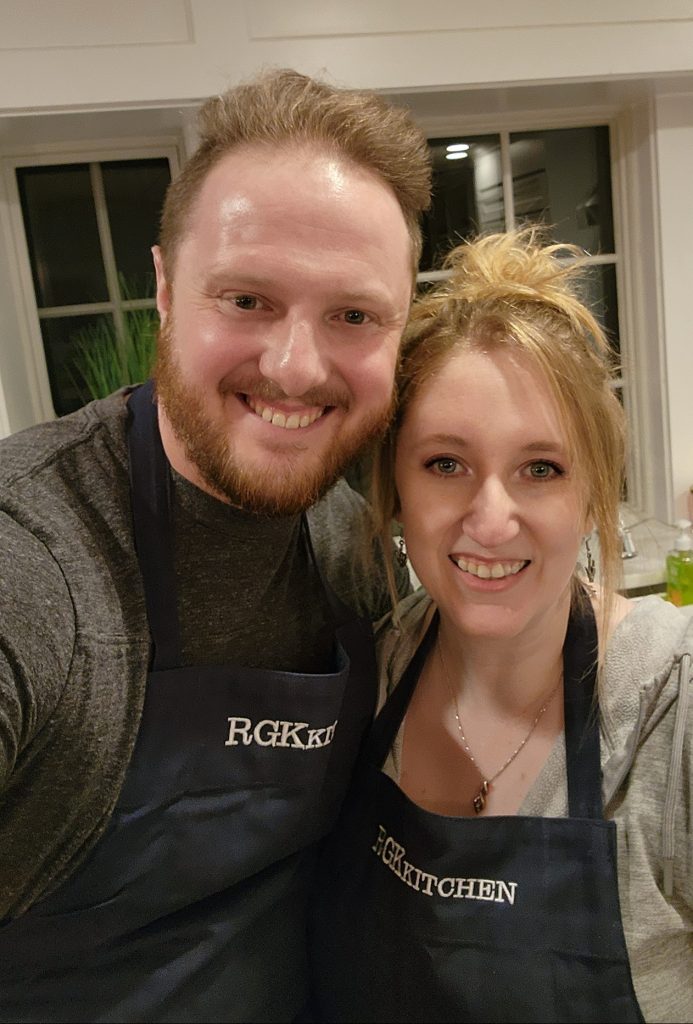
Rae Gabler-Kirbos didn’t set out to build a private chef business. She was just trying to get through a pandemic. 350 events later, RGKkitchen is one of the most in-demand operations in New England.
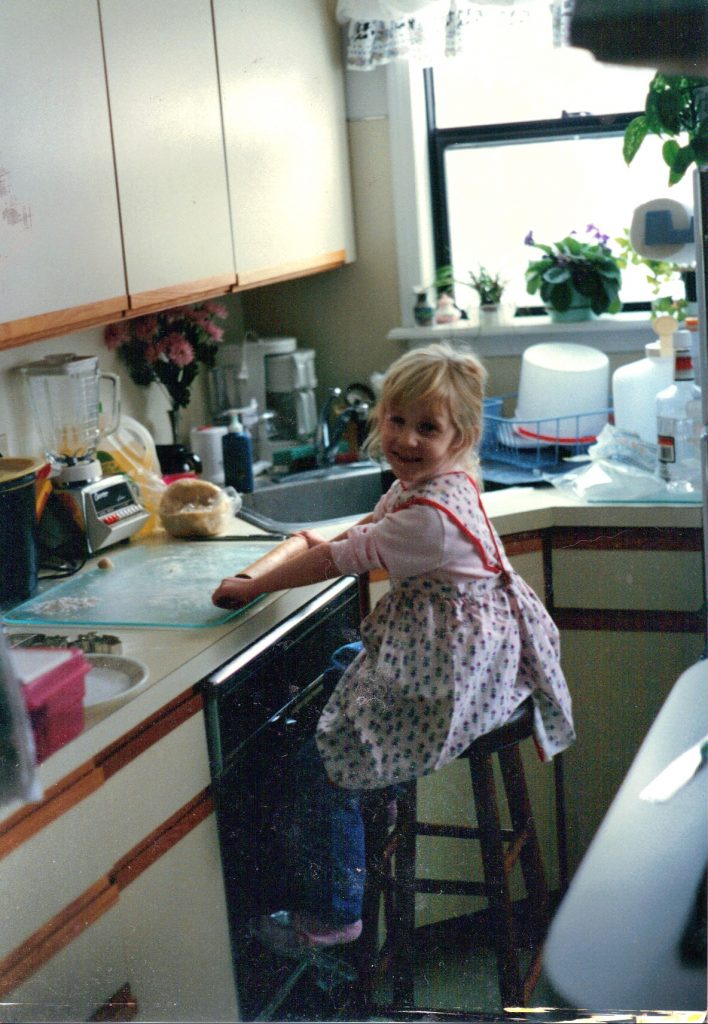
Rae often reflects on a photo taken of her at three years old, holding a rolling pin, happy as can be. She did not know then that cooking would eventually become her career, her therapy, and the foundation of a business that books out nearly a year in advance. She just knew she loved being in the kitchen.
That has never changed. Growing up, she learned to cook alongside her parents. When her mother passed and her father’s health declined, the kitchen became how she showed up for him. She cooked because it was something she could do. Because it made his life a little easier. Because it was how she said I love you without saying it. After he passed, her Oma kept that tradition going with her. “Cooking is my happy place,” she says. “It’s where I go to work out stress or depression. Some people run, smoke, or make music. I cook.”
Advertisements
She has been cooking professionally for about 15 years. But RGKkitchen, her private chef business based in South Dartmouth, Massachusetts, started the way a lot of good things do: completely by accident.
In early 2020, Rae was working in dispensary kitchens when she was deemed non-essential during the pandemic. Restaurants were laying people off everywhere and there was no clear timeline for when any of it would normalize. She was not willing to wait it out.
“I couldn’t wait six months to find out if I’d have a job again,“
She came across people looking for private chefs, decided to try it until things returned to normal, and kept booking. And booking. And booking. Her husband Stephen started working events with her every weekend. They began filling their calendar months out. A year out. “I didn’t expect it to take off,” she says.
“Not everyone knows what they’re doing right away. It’s not always you took business classes or have family in business. Sometimes it’s guessing and hoping you get it right.“
In their first three years, RGKkitchen completed 30 to 40 events annually. They recently hit their 350th event and are now approaching nearly 100 events a year. The team has grown too. Rae brought in a group of women, some from the industry, some not, all of them friends who showed up when she needed them. “It will always be weird to me being in charge of a team,” she admits, “but they make it so much easier. I couldn’t imagine doing as many events as we do without them.”
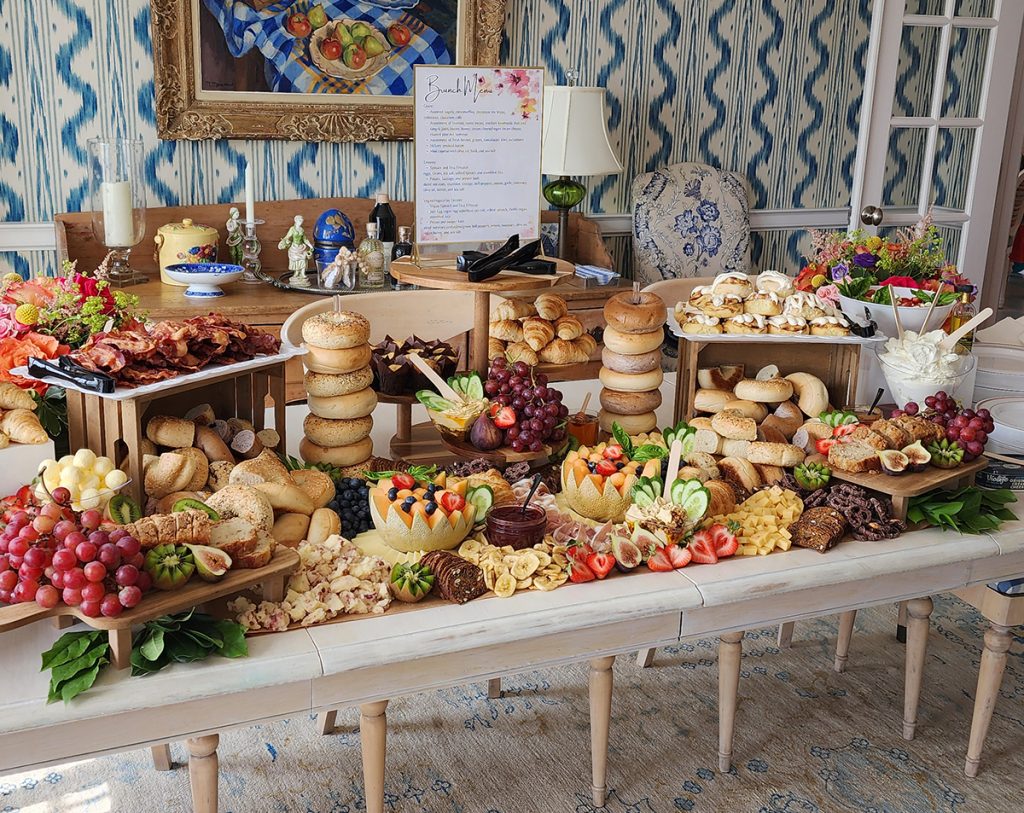
RGKkitchen serves eastern Massachusetts, all of Rhode Island, and parts of Connecticut. The work spans weddings, private dinners, family events, and clients with complex dietary needs. Building a fully dairy-free, gluten-free, soy-free, and egg-free menu that still feels complete and satisfying is exactly the kind of challenge she takes seriously. “People don’t see the hours of notes and research and sketching for setting up events. How we’re putting it all together and staging it.” she says.
Advertisements
Rae is open about the fact that her attention to detail is personal, not just professional. She has spent a long time working through depression and OCD. In the kitchen, those tendencies became an asset. Early in her career, chefs told her she cared too much, that she was too focused on the details. She ignored them and built a business on exactly that.
“I’d rather be a little over the top and put too much into it than have someone walking away like they didn’t care at all,” she says. Her bridal clients notice. The families she works with notice. It is the thing that keeps people coming back.
Running a business in this industry as a woman has come with its own set of obstacles. At events, people regularly approach her husband assuming he is the one in charge. He redirects them every time. “You’ll need to ask the chef. I’m not in charge.” She has learned to take it in stride, but she does not pretend it is not frustrating. Her advice to other women considering entrepreneurship is direct: the people who turn you down because they wanted a man for the job are not your people. Move on. “The people who turn you down because they wanted a guy instead of you are not worth your time,” she says. “Try to not take it personally and move on to the next person who understands your worth.”
Pricing was another lesson that came with time. She started low to get clients in the door, which is a common move, and a costly one. Finding the number that reflects what she is actually worth took years. She still takes certain events at a lower rate when she wants to help someone out. But she has also learned when to say no. “Sometimes you have to say, I’m sorry, this is not possible,” she says.
The business has surprised her in smaller ways too. Building her own website turned out to be easier than expected, thanks to the HTML coding she picked up on MySpace and Xanga as a kid. And the gardening she has always loved now feeds directly into her menus, from strawberries to garlic scapes to edible flowers she grows herself.
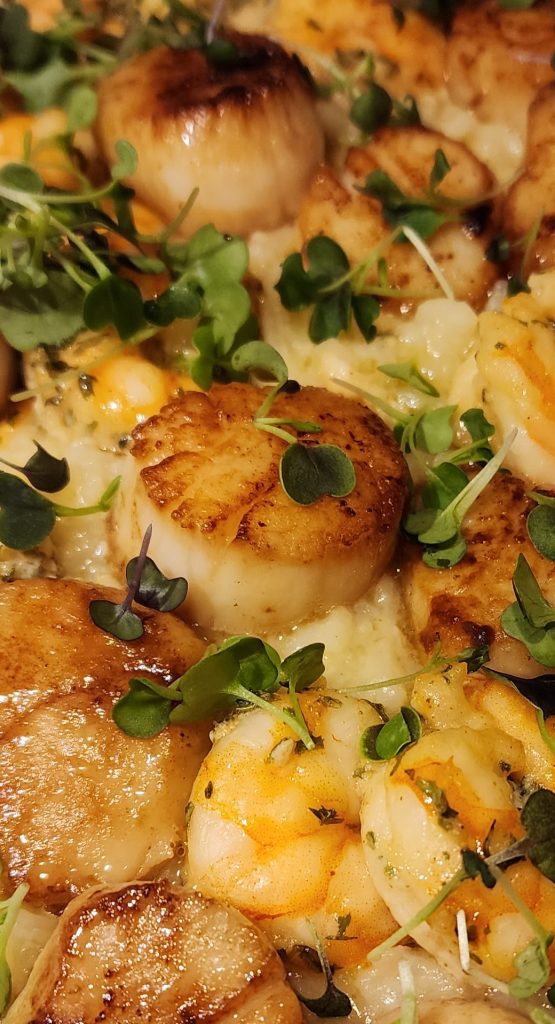
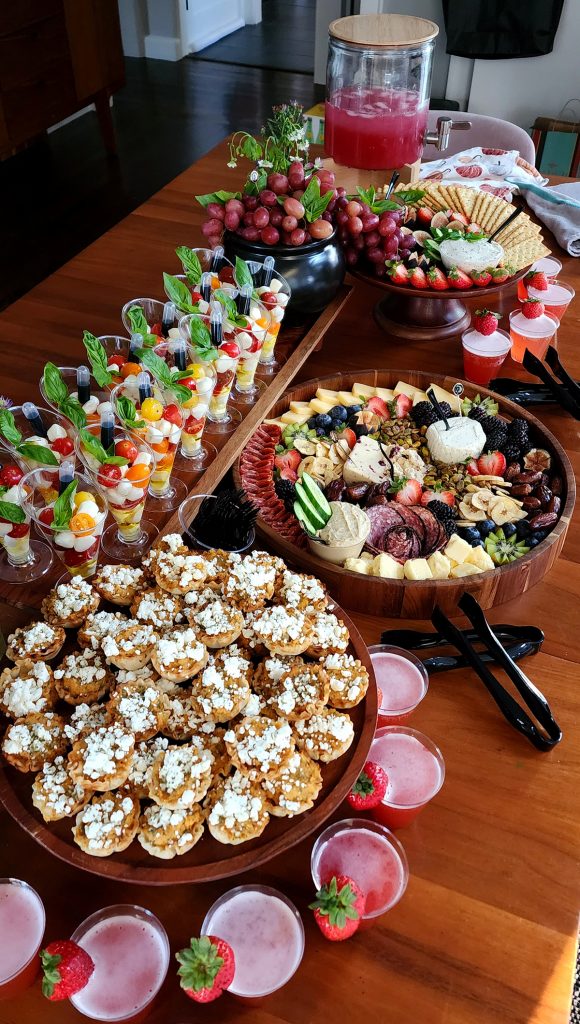
When she looks back at what has kept her going through the slow winters and the uncertain early years, the answer is simple. She did not want to go back to a regular kitchen. So she kept showing up, kept posting on Instagram, kept saying yes to events, and kept getting better. The work reflects all of it.