San Antonio Bakery to ALMANJAR
Maria Guzman is thirty years into a legacy she didn’t start, but is now hers to carry.
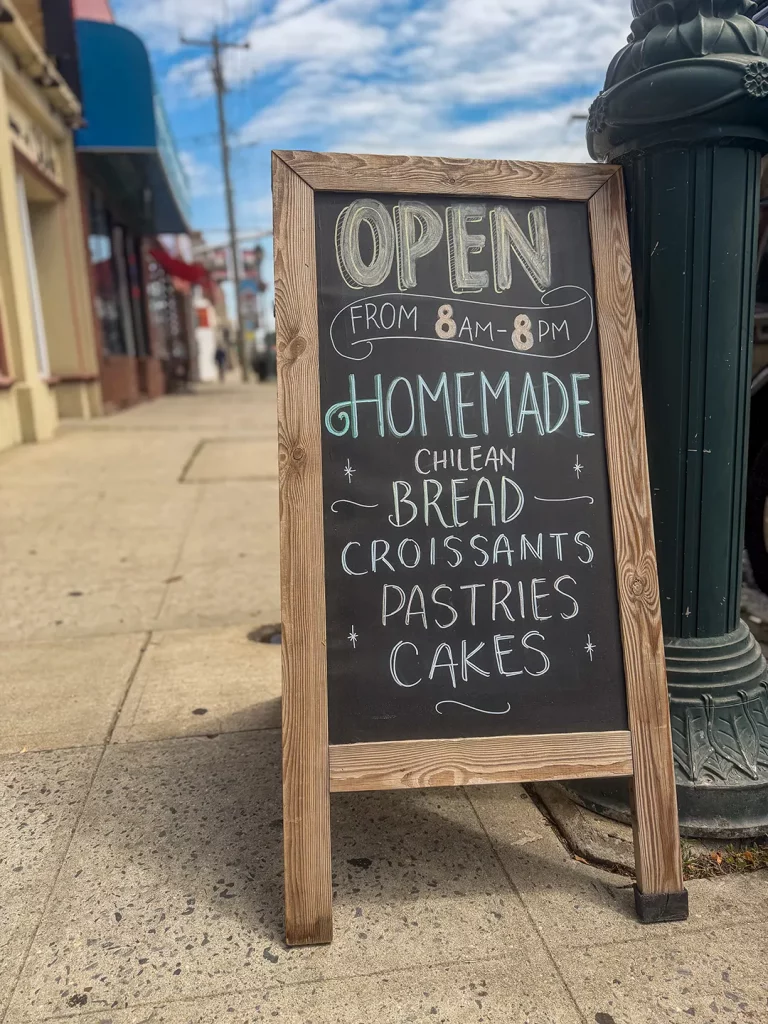
For Maria Guzman, the bakery wasn’t a place she chose to be. It was simply where she was. After school, at the tables, doing homework while her parents worked. The bread coming out of the ovens, the pastry cases filled with manjar creations, the rhythm of a family business that had been running since 1995, all of it felt ordinary, because it was. “As the daughter of Chilean immigrants, the bakery has always been part of my story.” says Maria. It wasn’t until she got older that she understood how extraordinary it actually was
San Antonio Bakery, now being rebranded under the name ALMANJAR, has spent thirty years serving as a cultural institution for the Chilean community across the United States. Located in Valley Stream, Long Island, it draws visitors who travel to New York specifically for what can only be found there: authentic Chilean bread, handmade pastries, towering mil hojas cakes layered with manjar and crisp pastry, and sandwiches that carry the flavor of a country most Americans couldn’t find on a map.
Advertisements
“Our food tells the story of Chile through bread,
pastry, cakes, and sandwiches,” Maria says. “It can feel familiar, though it is unmistakably Chilean.“
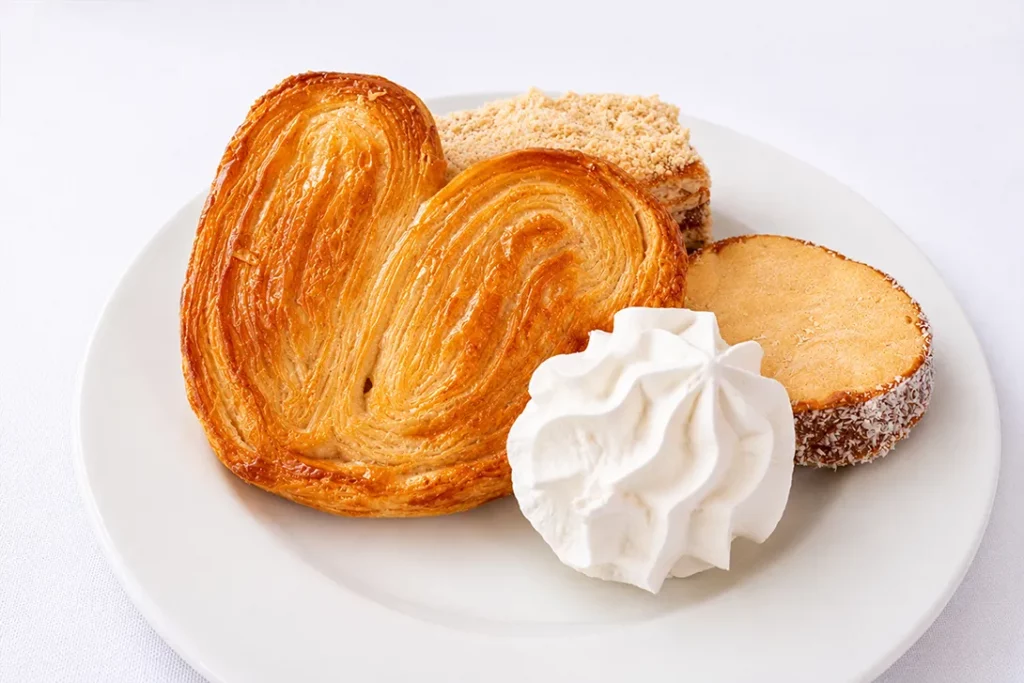
Chile has one of the strongest bread cultures in the world, and that fact sits at the center of everything the bakery does. Fresh bread is baked throughout the day. The pastry case celebrates manjar, Chile’s beloved milk caramel, in the form of alfajores, chilenitos, and elaborate cakes built for birthdays, holidays, and family gatherings.
Maria is focused on what that means and what it asks of her. When she stepped fully into the business, she made the early mistake of assuming that the best way to improve something was to replace it. It wasn’t. Some products had earned customer loyalty for decades for a reason. “The lesson was that innovation is most successful when it begins with respect for what already works.” She learned to listen and understand traditions before she touched them.
“If I weren’t afraid, what would I do?” It’s a question Maria returns to often, not to dismiss the fear, but to separate what she truly believes from what worry has put in the way. For someone tasked with carrying thirty years of someone else’s sacrifice into the future, that kind of clarity isn’t a luxury, but a necessary tool.
What she’s doing now with the rebrand is not reinvention. It’s elevation. The mil hojas stays a mil hojas. The marraqueta stays a marraqueta. Maria explains, “the traditions are not something needing to be replaced. At the same time, we recognize that
culture is living and evolving. New generations interact with food differently than previous generations. They are interested in quality ingredients, thoughtful design, storytelling, hospitality, and transparency. Rather than changing who we are, we look for ways to present Chilean bakery culture in a way that feels relevant and accessible to today’s audience.“
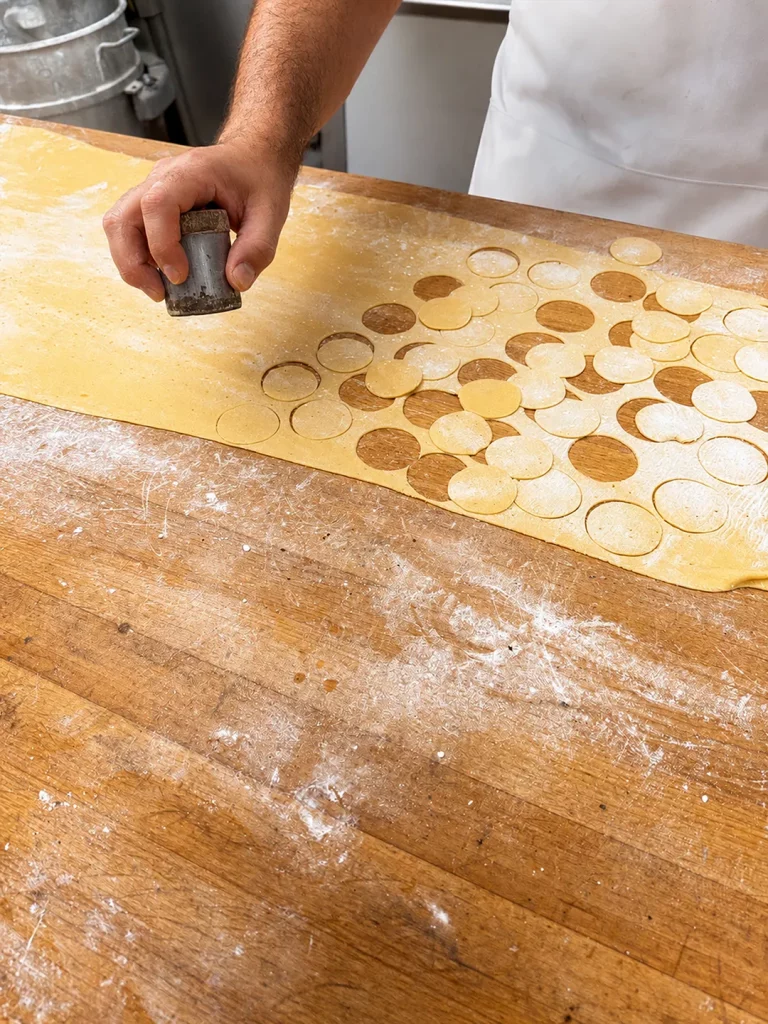
In Chile, bakeries have historically been gathering places within the community, and the rebrand aims to create an environment where people feel comfortable returning. The team is a huge part of this. The bakery has always run on a team culture, one built around craft, care, family and shared standards. The rebrand, the sacrifices, the goals, none of it happens alone.
Maria describes her parents’ generation as building towards the future and her own as building on legacy, and there’s real weight in that difference. The early years were about stability, survival, and creating something from nothing in a new country. With that foundation, Maria has the room to ask bigger questions: about identity, cultural preservation and what the next thirty years should look like. Some of those questions are already answered by customers. People who came as children with their parents, now bring their own families. Chileans throughout the United States still makes trips to the bakery when they’re in New York. New customers arrive, discover a food culture they’ve never encountered, and come back. “Customers often decide what role a business plays in their lives,” Maria reflects. “We were not simply maintaining a bakery. We had become part of other people’s stories.”
Advertisements
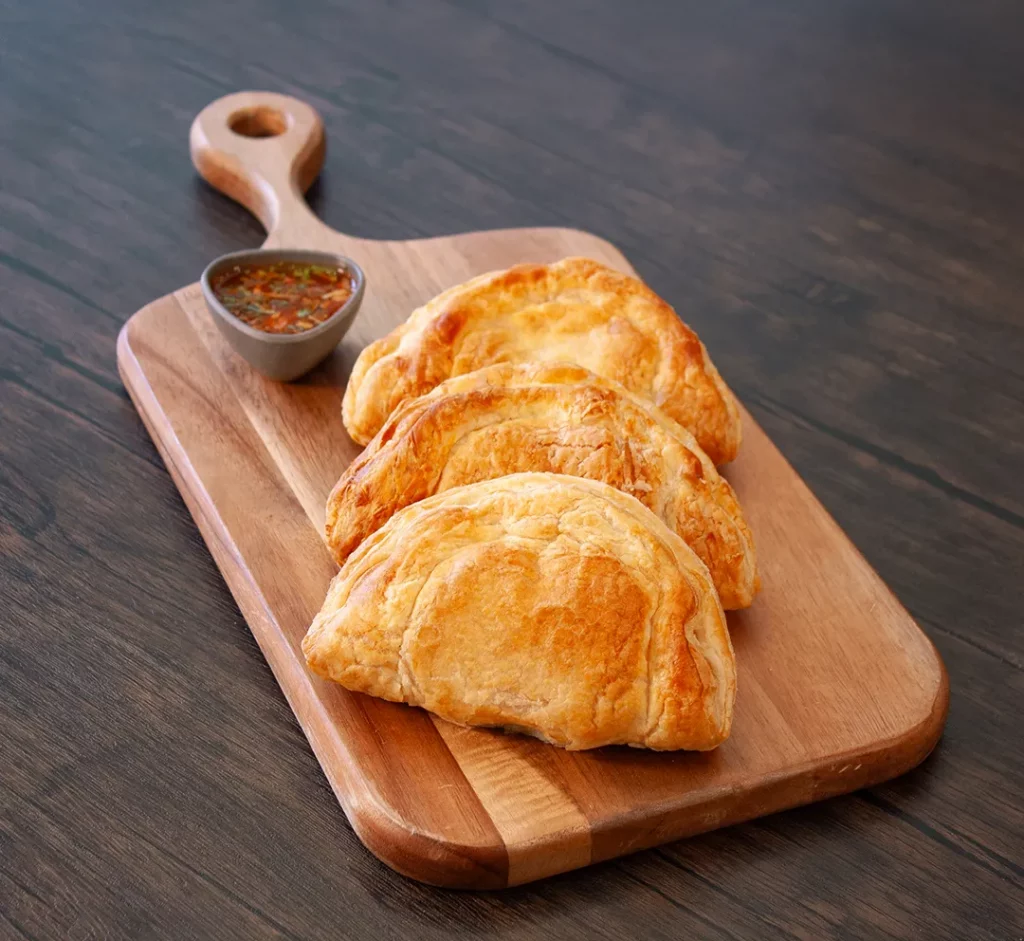
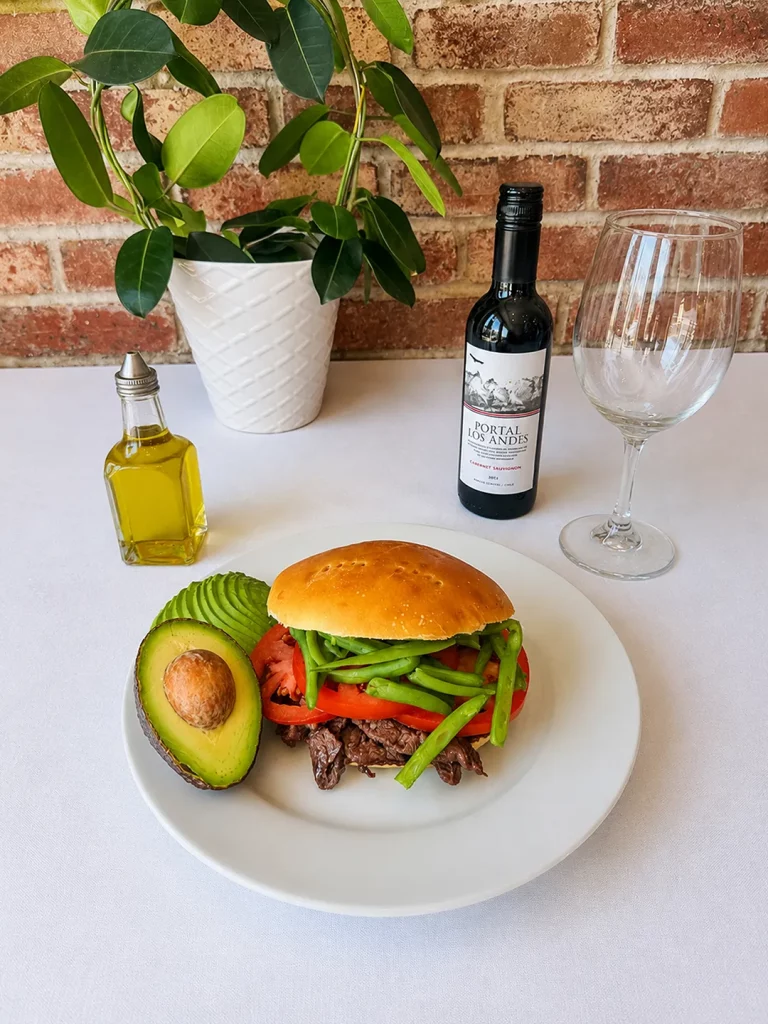
It’s not the openings, growth or trend cycles. It’s about endurance. “Building creates excitement, carrying requires endurance.” she says. Thirty years of earning trust, maintaining standards, supporting a team, and staying true to Chilean traditions that the broader culinary world has largely overlooked. That’s the work and it shows up in every loaf and pastry.
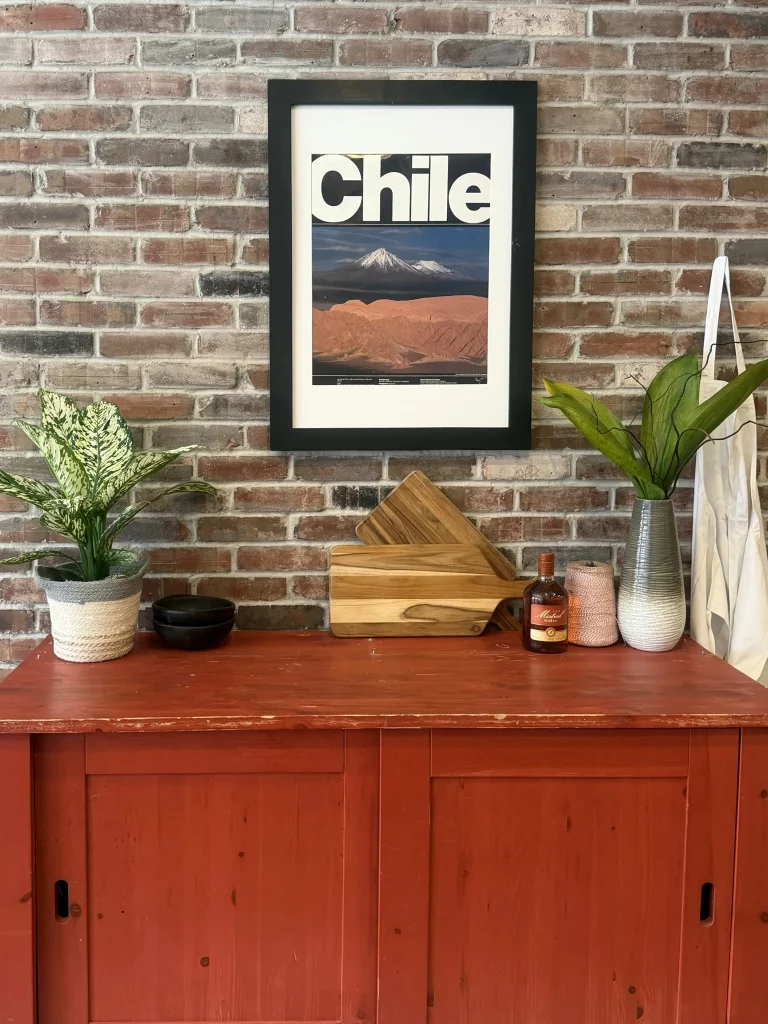
Later this year, the ALMANJAR bakery will cater the Esmeralda, the Chilean naval ship visiting New York for the United States 250th independence celebration. It is, in a way, a perfect symbol of what the business has always been: a piece of Chile, kept alive far from home.
When asked about entrepreneurship, Maria’s advice to others is to “start with a clear sense of purpose. Before thinking about growth, branding, or even profitability, ask yourself why the business should exist and what problem, need, or opportunity you feel called to pursue.
Entrepreneurship is often portrayed as an individual pursuit, but very few successful businesses are built alone. The ability to trust others, learn from people with different strengths, and work toward a shared vision is one of the most valuable skills an entrepreneur can develop. Perhaps most importantly, learn to trust yourself. There will always be people with opinions about what you should do, when you should do it, and whether it will succeed. Listening to advice is important, but there comes a point when you have to develop the confidence to make decisions and follow your instincts.
Over time, you begin to recognize that entrepreneurship is as much a personal growth journey as it is a business one. For me, purpose, teamwork, and self-trust have been just as important as any business strategy. When those pieces are in place, they create a foundation that allows a business to grow and endure.“