Feeding People First With Chef Artist
For SpaHa Soul, food has never been just about serving plates. It is about creating a feeling. A space where people can slow down, feel welcomed, and experience comfort through cuisine that carries both personality and care.
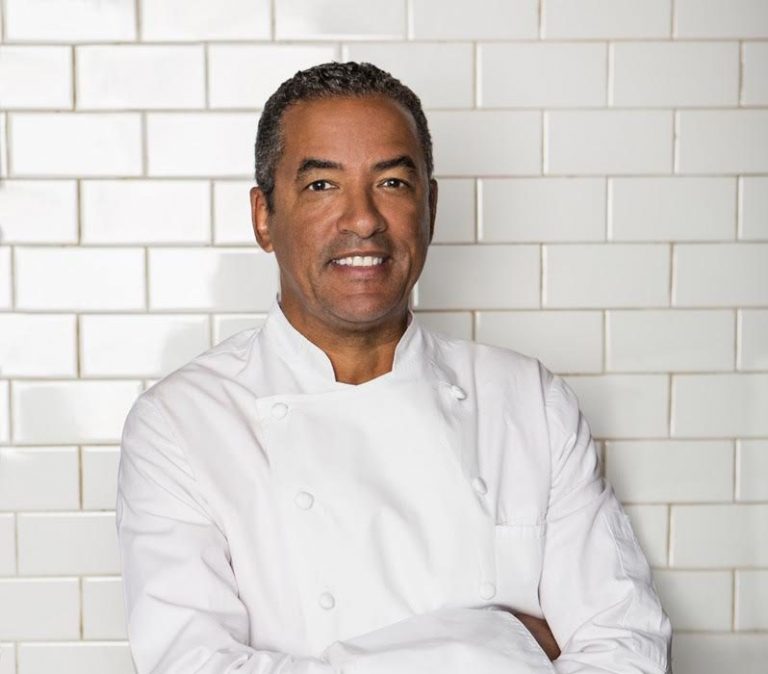
At the center of the restaurant, which opened in 2013, is Chef Artist, who believes that having consistency, authenticity and accountability in its simplest form helps them stay true to their mission. That mindset has guided SpaHa Soul through the realities of entrepreneurship, where sacrifice often becomes part of the process. Artist explains, “sometimes that sacrifice looks like sleep. Other times it means evolving personally while
trying to grow something larger than yourself.”
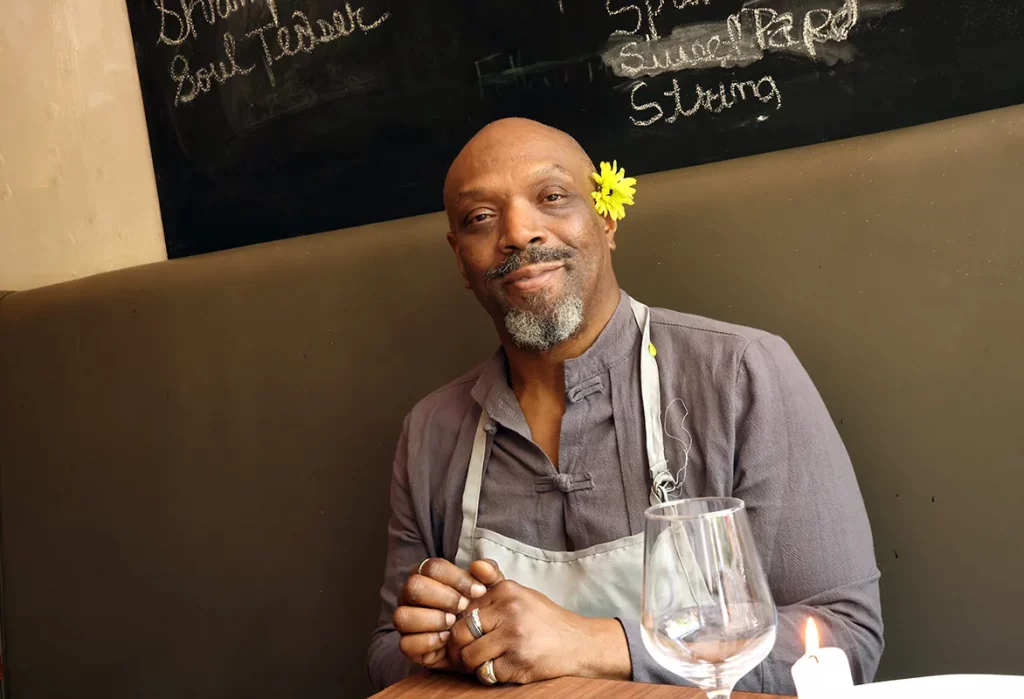
Unlike businesses driven only by margins and expansion, SpaHa Soul approaches food with a community-first perspective. The goal is not simply to feed customers, but to make people feel at home. Menus shift with the seasons, ingredients remain connected to local suppliers, and relationships with neighborhood businesses continue to shape the foundation of the operation. From local butchers to nearby grocers, supporting the surrounding community has remained part of the business from the very beginning.
Advertisements
This commitment also influences how Artist views the food industry as a whole. In a culture increasingly centered around celebrity chefs and viral moments, there is a desire to see more attention placed on local establishments quietly serving their neighborhoods every day. The hidden gems are the places where food still feels personal.
Many customers keep returning simply for that personal connection. SpaHa Soul embraces community, one interaction at a time. They treat every guest like family rather than just another transaction. So, for them, the experience becomes larger than the meal itself. Conversations happen across tables where stories are exchanged. Customers leave remembering not just what they ate, but how the space made them feel. SpaHa Soul understands that people also want to share pieces of themselves. A meal becomes a meeting point between stories, backgrounds, and experiences that might otherwise never cross paths.
Of course, building something meaningful has also come with difficult lessons for Artist. One of the most costly mistakes was overextending too early without hiring stronger staff, he explained. But like many entrepreneurs, learning where and how to delegate became part of his growth process. Those experiences reshaped how the business operates today and reinforced the importance of building carefully instead of rushing expansion.
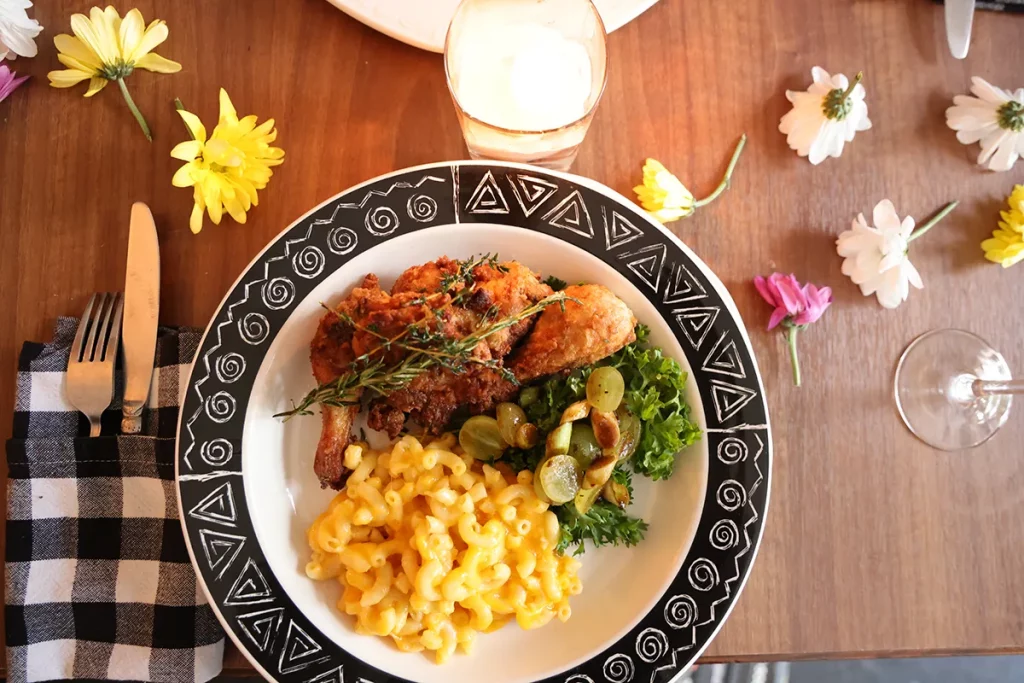
We sat down with Chef Artist at his restaurant to hear more from his perspective.
NLM: When did you first start cooking?
Artist: I first started cooking when I was about nine years old. My grandmother had gotten sick. She had several health problems. She had diabetes, she had a couple complications, but she was in the hospital after a stroke, and it was closer around the holiday times. So, I actually cooked Thanksgiving dinner for me and my Mom. I mean, turkey, pies, mac and cheese, corn bread, the whole nine yards. All when I was about eight or nine years old. That’s when I started cooking. I grew up in my grandmother’s kitchen.
NLM: What’s the biggest pain point in your industry?
Artist: Yeah. I think it’s definitely pricing. Pricing and the economy is really affecting small, mom-and-pop businesses like mine. I’m not like a Burger King or McDonald’s where I can make just one dollar off of a product that is going to sell 20,000,000 of them a day. It’s not the same with your small mom-and-pop stores, and especially a storefront. Yeah, so the economy is definitely fucking with us.
Advertisements
NLM: What would you change?
Artist: Oh. I would change the way our government works. That’s what I would change. I would change the way that we have our taxes done. I would change the way that we regulate. I would change the fact that we have monopolies on so many businesses. I wouldn’t allow huge corporations like Target, McDonald’s, Wendy’s, Taco Bell, into the concentrated – quote on quote, urban areas because no one else can afford to rent in
the area.
NLM: What experience do you want customers to have and remember?
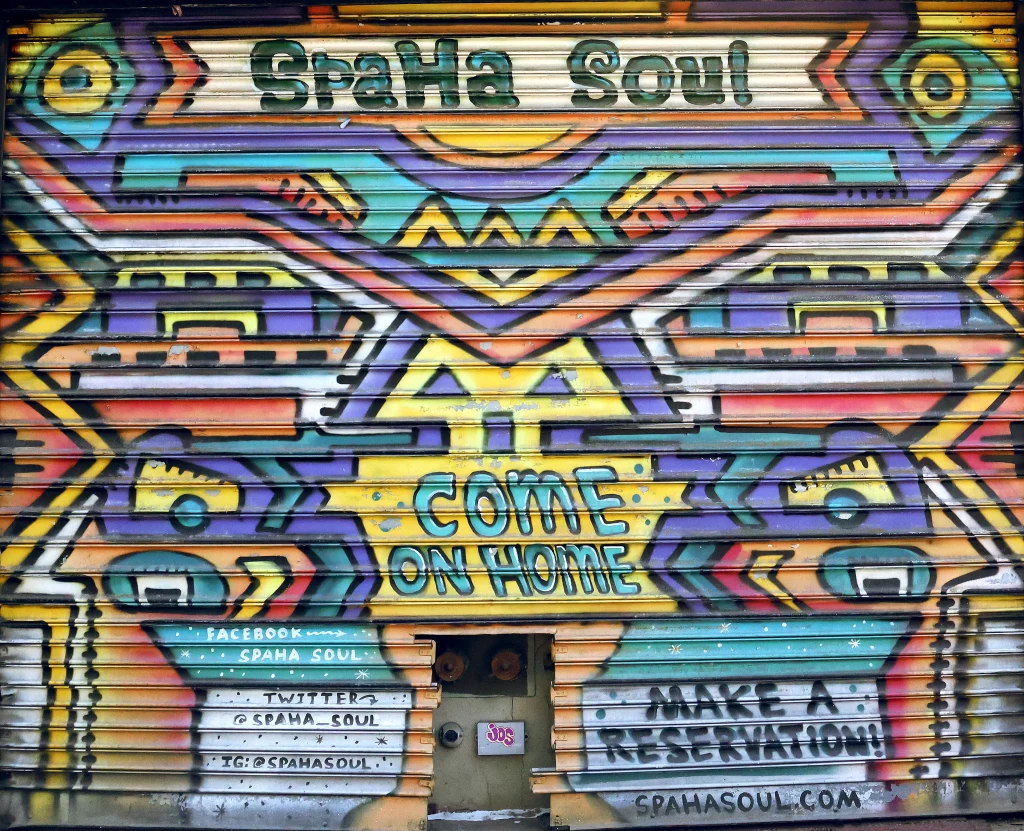
Artist: I want you to feel like you came home. That’s why I have that tagline. “Make a reservation, and come on home.” I want you to feel seen. I want you to feel heard. I want you to feel free to be you. I grew up as an African American in the era where you had to be still, be quiet, don’t run, be polite, do all the things you have to do. You had to be a good Negro. And you have to look and appear to assimilate as much as possible. Our culture was denied legitimacy. Our vernacular, the way we spoke, the way we act, the way we laugh, the way we dance, the way we cook, the way we smile, the way we eat. All that was put on the back burner. And I’m a subject matter expert on what it means to be African American, or as I like to say sometimes “Corn Bread, Black”. So, I love it when people are laughing at the top of their lungs or when I hear a teeth suck. I love it when I hear my name being yelled from the dining room and the fact that people feel at home here. People come in here and they are free to be themselves because I’m going to be myself. Shit, the only freedom we got these days is to be ourselves. I also want people to know the person behind the brand and understand that it was built through hustle. I want people to know the person behind this brand cares about the food and the ingredients he’s putting into people’s bodies. That’s really important for me.
NLM: How do you maintain quality and standards in a fast paced world and industry?
Artist: Everything here is about hospitality, not fast paced. You’re going to be here for an hour and a half, minimum. I’m not Popeyes. This ain’t TGI Fridays. It’s just not coming down in 30 minutes. I’m back there. Your food is being cooked. It is not being assembled.
NLM: What’s the future vision for the restaurant?
Artist: I have this crazy idea. In fact, I’m starting it with the second location. I’m gonna find a young chef who wants to own their own business. And they are going to run the restaurant that’s downtown in the West Village. It’s gonna be their restaurant. They’re gonna have the SpaHa Soul staples, like the fried chicken, the collard greens, the mac and cheese, and the sweet potatoes. Maybe the shrimp and the pork chop. But, that chef’s gonna have their own tasting menu. They’re going to be able to run their food be able to run their food, make their food, develop their brand, develop themselves as a chef, as an entrepreneur, as a business person, with someone overseeing what they’re doing, explaining to them what costing is. Like, a lot of people go, oh, I’m gonna cook and they’ll go out and they’ll buy all the ingredients. And they’ll spend $250 on the food and walk away with $350. That’s not good. That’s not good business. So, you working real hard, just for a little bit of money. Your prices have to reflect everything that is going to cost from a single gram of salt to everything that goes into making that dish and knowing what you need to charge – for you. People don’t know that. They think I’m just going to make this and I’ll do that. So, I want to be able to help young chefs, because maybe they’ll be like, “Yo Mr. Artist, this was dope as hell, sir… Thank you very much for the opportunity.” And, maybe one day they’ll want to open up their own shop and I can help them out. And maybe they’ll want to bring somebody else in here to run the location and do exactly the same thing I did for them, except, I still keep my little cut. I just want to pass it on. We don’t do that enough for each other. Outback steakhouse does that. You are a partner in the restaurant where you become a general manager. And you get part of the profit from that restaurant, technically you’re a working partner. So, I think there are things to be done to help other people.
Advertisements