I-Wayne on Music, Community and Versatility
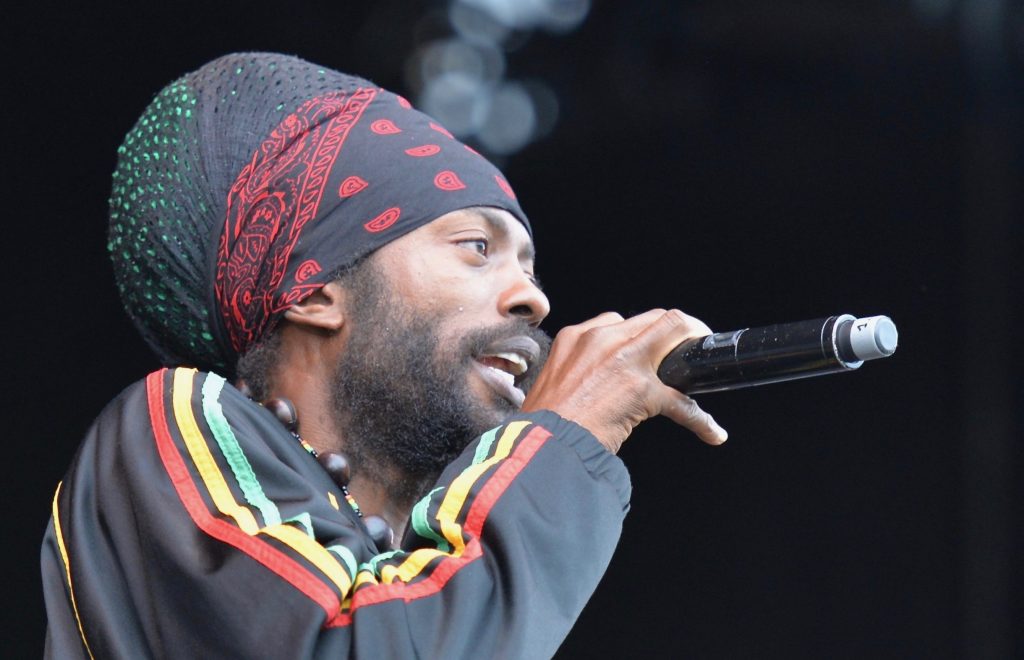
Long before streaming numbers and viral moments became the measure of success, I-Wayne built his name through message, discipline and unmistakable delivery. Emerging from Jamaica’s reggae and roots scene in the early 2000s, I-Wayne carved out a lane that stood apart from trends around him. His voice carried urgency, but also calm. Songs like Living in Love, Can’t Satisfy Her, and Book of Life did not chase popularity through controversy or excess. They spoke directly to people trying to navigate struggle, survival, spirituality and everyday life with purpose.
There has always been a certain steadiness to I-Wayne’s music. Even as reggae and dancehall shifted through different eras, his foundation remained rooted in upliftment, Rastafarian principles and social reflection. That consistency is part of why his music continues to resonate years later. Listening to him speak now feels much like listening to his records — thoughtful, grounded and deeply connected to community.
Advertisements
He speaks about resilience, humility and the importance of mastering both music and business. For him, artistry is not only about performance. It is about responsibility. That same mindset continues outside of music through community work, land preservation projects and efforts to encourage positive action within his surroundings.
What stands out most is the way I-Wayne continues to speak about growth without losing the values that built his foundation in the first place. Whether discussing younger artists, his upcoming project The Natural Flow, or the importance of protecting and nourishing community, his words carry the same conviction that listeners first heard in his music decades ago.
In conversation with Next Layers Magazine, I-Wayne reflects on a journey that began from childhood practice and eventually led to linking with the Lion Soldiers collective before connecting with VP Records in 2004.
Can you tell us about the beginning of your journey?
So, of course, I love music very much. I’ve been practicing ever since I was a child. In 2004 I linked with the Lion Soldiers — Sunny Spoon, Patrick Zelle, Delroy, Caral, Fire Peter — an den afta dat mi get di link wid VP Records. As mi seh, mi been practicin’ fi a long while, from a tender age.
Some of your most iconic songs speak to the heart of things we are encountering today, how do you continue to use that foundation as a source of inspiration in your music?
First of all, you have to remember the Universal Rastafarian Creed and the vow – The Aged be protected, infants are cared for and the sick be nourished. Once you know all of these things, you will deal with life the right way. Since I love life so much, I just continue with positivity. Mi keep promotin’ it, no matter what kinda punishment I face from it, I keep promotin’ it, cah wi know seh it good.
Advertisements
What kind of advice would you give to younger artist coming out now?
First of all, practice and you haffi, love the music. And ya haffi make sure the business part of it, it’s important to link with a lawyer and sort it out the right way. That’s one of the main ting, and
yuh haffi stay real humble an keep practicin’, yuh know — cah real master keep practicin’. Dat a di key to dis ting. As mi seh resilience, because sometimes it can get very rugged.
An versatility too. Yuh haffi versatile — a very important ingredient. Meanin’ fi stay relevant without haffi go overboard or slack. Yuh know wah mi a seh? So yeah, yuh haffi versatile wid nuff new style. When mi seh versatile, mi mean seh more than a million an thirty style, an still nah have no dutty style.
Who are some of your influences coming up?
A lot of people, but to name a few, mi listen to Anita Baker, Aretha Franklin, Sade, Sizzla Kalanji, D Brown, Beres Hammond, Marcia Griffin, Horace Andy, and Garnett Silk
Got any new projects on the way?
My label is called Life Glory Cards, so mi have a project called The Natural Flow, because it haffi flow like a river. It consist of artist like Sizzla, Lutan Fire, Queen Ifrica. A mi personal production. Mi an mi cousin by di name a Fire Chest produce dis one. It a one 14-track ting.
Advertisements
Anything outside of the music business you working on?
Yeh man, like community projects. First of all, dem tings deh a very good tings fi do. It’s a joy cah it encourage other communities fi do di same good as well. So wah we do, we keep promotin’ good — we nah just talk it, we live it as well. We see a likkle area weh dem a turn inna garbage heap or something, so we jus spend wi money an get di tractor an di truck fi clear weh dat. So yuh know, if we waan turn it inna one multi-purpose stadium or whateva, we know seh wi affi clear it an get certain tings in place. An we tek wi time fence it off cah yuh haffi protect di area, yuh know.
And yeah, Preserving Life a mi foundation. As mi seh, yuh haffi dance ah yard before yuh dance abroad. So we start wid di community, so other ones an artists can see an know seh it a good footstep and emulate dat life.f countries. All over Europe, West Africa, West Indies, Asia, Canada, Caribbean. I don’t know, we haven’t been to Russia or South America yet.